blue-collar blues series
made possible by
Edwardsville City Hall & Edwardsville Arts Center
~
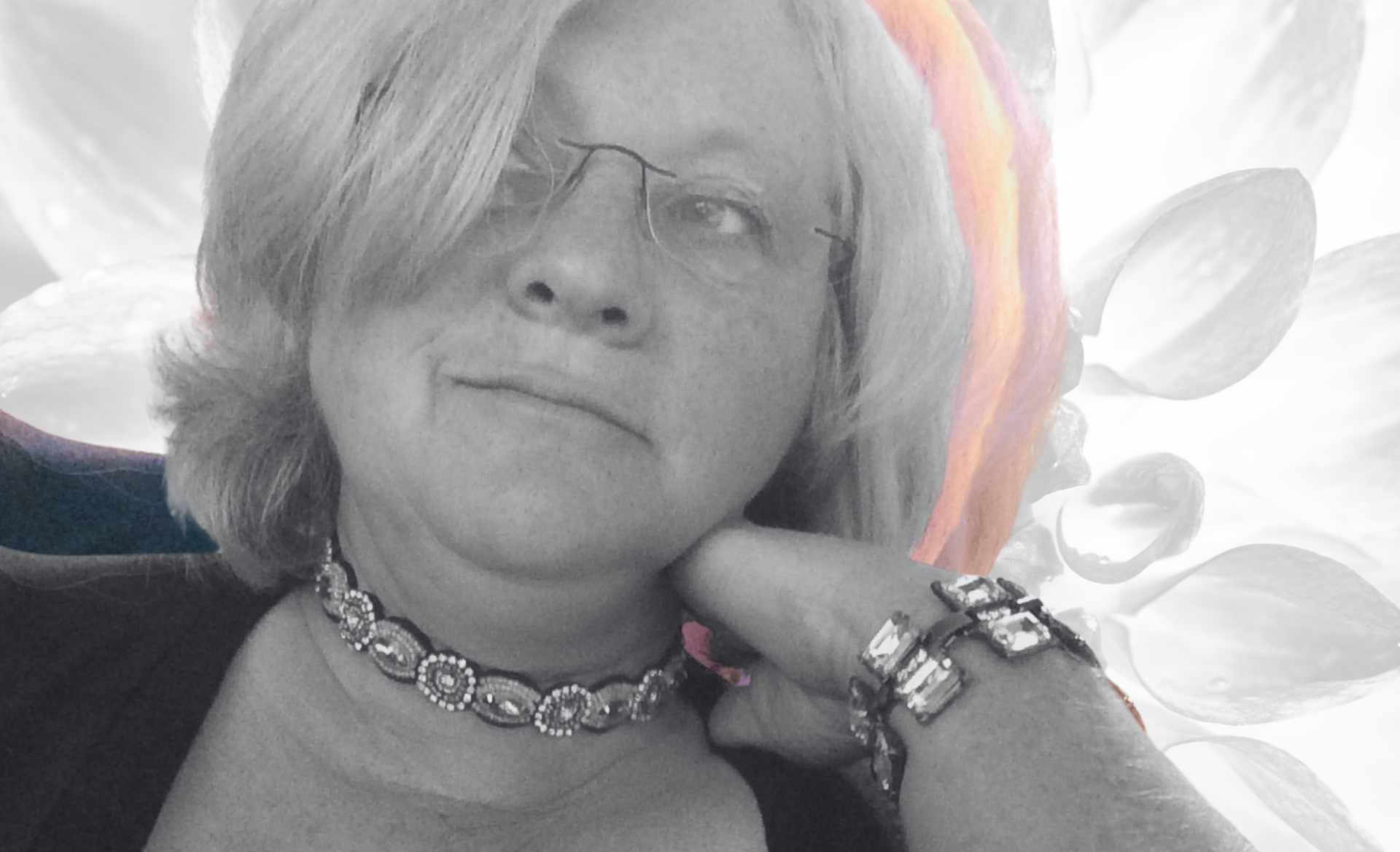
mary berry artist statement
about the Blue-Collar Blues series
Blue-Collar Blues is a body of work centered on labor that quietly sustains daily life.
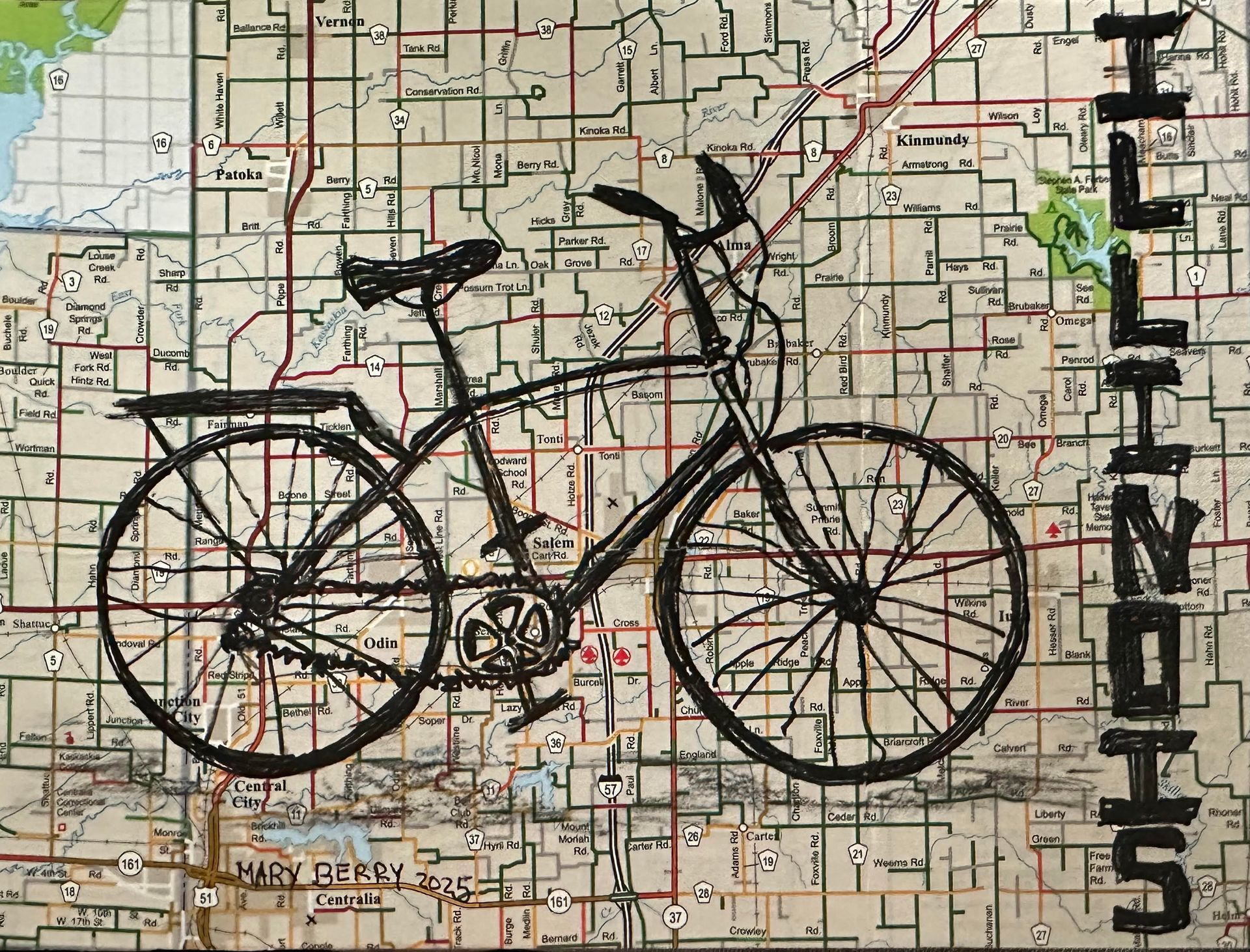
Rather than depicting jobs or machinery, the work focuses on what remains—tools, clothing, marks, systems, and ground—after the worker has moved on.
Created during a period of infrastructure renewal in Edwardsville,
the series acknowledges the men and women whose work exists largely out of sight
and without recognition. Water lines, sewer systems, roads, and maintenance structures function because someone showed up to build and maintain them, often unseen.
These works resist spectacle and explanation. They avoid hero narratives in favor of collective effort, shared responsibility, and material evidence. The presence of labor is felt in what functions, what endures, and what improves.
Blue-Collar Blues is not commentary or protest. It is recognition.
Our daily lives rest on work we rarely see and names we seldom know.
blue-collar recognition
My work Blue-Collar Blues series explores labor, systems, and the quiet human presence embedded in everyday life. I am drawn to what is often overlooked—process, wear, absence, and the structures that allow daily life to function without calling attention to themselves.
Working primarily in mixed media and abstraction, I focus less on representation and more on evidence: tools after use, clothing without bodies, routes without travelers, surfaces shaped by time and repetition. These elements point to human effort without depicting the individual, allowing the work to remain collective rather than personal.
At the center of my practice is an interest in how meaning emerges through use. Work becomes invisible once it succeeds; systems fade into the background when they function as intended. Infrastructure, maintenance, and care are rarely noticed precisely because they are doing their job. I see this disappearance not as loss, but as a condition worth examining.
I approach materials with restraint, allowing erosion, layering, and incompletion to remain visible. I am less interested in resolution than in responsibility—what holds, what supports, and what endures over time. My work resists spectacle and explanation, favoring quiet recognition and reflection.
Across my practice, I return to the idea that presence is often revealed through absence, and that much of what sustains us does so without acknowledgment. What remains is an invitation to notice the human effort embedded in what functions, what endures, and what improves.
art is a mirror — sometimes
it reflects what we know,
and sometimes
it shows us what we’ve
forgotten to feel.